

Local SEO for Architects: How to Attract More Local Clients
Most architecture practices were built on referrals, and many still are. But the people who refer you increasingly send a name, not a recommendation set in stone. Before a couple planning a custom home or a restaurant owner planning a fit-out picks up the phone, they search your firm, compare your projects with two or three others nearby, and read what past clients said. Plenty of clients skip the referral step entirely and start with "residential architect near me."
Local SEO for architects is about winning both of those moments: showing up when someone in your area searches for the kind of project you want, and looking credible when someone searches for you by name. This guide covers how clients search for an architect, the licensing rules that shape what you can call yourself online, how to turn a portfolio into pages that rank, and how to earn reviews when a single project can take a year or more.
What Local SEO Means for an Architecture Practice
Local SEO is the part of search optimization focused on location. When someone types "architect in Denver" or "ADU architect near me," Google shows a map with three firms pulled from Google Business Profiles, then a list of regular web results. Local SEO is the work that gets your practice into both.
That makes it a little different from general SEO for architects, which can also include national visibility for design ideas, image search for renders, or thought leadership content. Those have their place. But for most small and mid-sized practices, the projects that keep the lights on come from within an hour's drive, and the clients behind them search with a place in mind. They want someone who knows the local zoning code, has worked with the planning department, and understands the climate and building stock.
Google decides who appears in local results based on relevance, distance, and prominence. Relevance comes from your categories, services, and the content on your website. Distance you cannot change. Prominence comes from reviews, links, mentions, and how established your firm looks across the web. The rest of this guide focuses on the parts you control.
How Clients Search for an Architect
Good architect SEO starts with understanding that "architect" is rarely the whole search. Clients add the project type, the constraint they are worried about, or the stage they are in:
- By project type: "custom home architect," "kitchen addition architect," "ADU architect," "restaurant architect," "medical office design." Each of these is a separate audience with separate questions.
- By constraint: "architect for historic home renovation," "steep lot house design," "architect for permit drawings." These searchers have a specific problem and often convert well.
- By credential: "licensed architect," "AIA architect," "passive house architect." The searcher is filtering for trust or specialization.
- By stage: "how much does an architect cost," "architect vs. designer," "do I need an architect for an addition." These are research searches from people months away from hiring, which makes them valuable for long-term architect leads.
Map these searches before you change anything on your site or profile. A tool-based pass of local keyword research for SEO will show which phrases actually get searched in your city, but your own inquiry history is just as useful: list your last twenty projects and note what each client said they were looking for when they first got in touch.
Be Careful With the Word "Architect"
This is the issue most SEO advice for architecture firms skips, and it can cause real trouble.
The title "architect" is legally protected. States regulate who may use it, and in general only licensed architects (and properly registered firms) can present themselves that way. California is a clear example: its Architects Practice Act makes unlicensed use of the title a misdemeanor, and the California Architects Board has cited unlicensed designers for business names containing "Architecture," for putting "architect" on drawings, and even for listing "Architectural Design" as a skill on a personal LinkedIn profile.
That has direct consequences for search:
- Licensed firms should lean into it. Show your license numbers, the states where you are licensed, and AIA membership where it applies. Credentials are a genuine differentiator when a client is comparing you with design-build companies and drafting services.
- Unlicensed designers should not target "architect near me" or pick "Architect" as a Google Business Profile category, even though those keywords are tempting. "Home designer," "building designer," or "residential design services" are safer phrases, but check your own state board's rules, because some states restrict more terms than others.
- Everyone should review business names, page titles, profile descriptions, and directory listings for wording that suggests a license the firm does not hold.
Getting this right protects your firm, and it also helps clients find the right kind of professional for their project.
Google Business Profile Setup for Architecture Firms
For local searches, your Google Business Profile is usually the first thing a potential client sees. A few choices matter more for architects than for most businesses.

Choose Categories That Match Your License and Work
Licensed practices typically use "Architect" as the primary category. Secondary categories should reflect services you actually provide, such as interior design or landscape architecture, and nothing more. Google's category list changes, so search the live category picker instead of copying a list from a blog. Then fill in the Services section with your real project types: custom homes, additions and renovations, ADUs, commercial interiors, permit drawings, feasibility studies.
Decide How to Show Your Address
Many small practices work from a home studio and meet clients at the project site or a coffee shop. If clients do not visit your office, Google's guidelines say to hide the address and list your service area instead. If you have a real studio where you meet clients during staffed hours, show it. Do not use a coworking desk or virtual office just to appear in a different city; profiles built on addresses like that are frequently suspended.
Use Photos You Have the Rights To
Architects have a photo problem other businesses do not. Professional architectural photographers usually keep the copyright to their images and grant a license for specific uses. The AIA's own guidance on project photography stresses that the license defines who can use the photos and for what. Before uploading a photographer's images to Google, Houzz, or other directories, check that your agreement covers that kind of publication. Where it does not, use your own site photos, construction progress shots, and renders, which also show clients what the process looks like.
Client confidentiality matters too. Some clients, especially in residential work, do not want their home identified. Leave out street numbers and recognizable details unless the client has agreed.
Keep the Profile Active Between Big Launches
Architecture firms publish a finished project a few times a year, which leaves the profile quiet for months. Short updates fill the gaps well: a permit approval, a groundbreaking, a framing milestone, a talk at a local event. CATTIX's Post Generator can draft these on a regular schedule, which helps keep your profile looking active without pulling designers off billable work.
Turn Your Portfolio Into Pages That Rank
Most architecture websites have beautiful portfolios that search engines cannot understand. A gallery of large images with a project name and nothing else gives Google almost nothing to rank. The fix is to treat each project as a short case study.
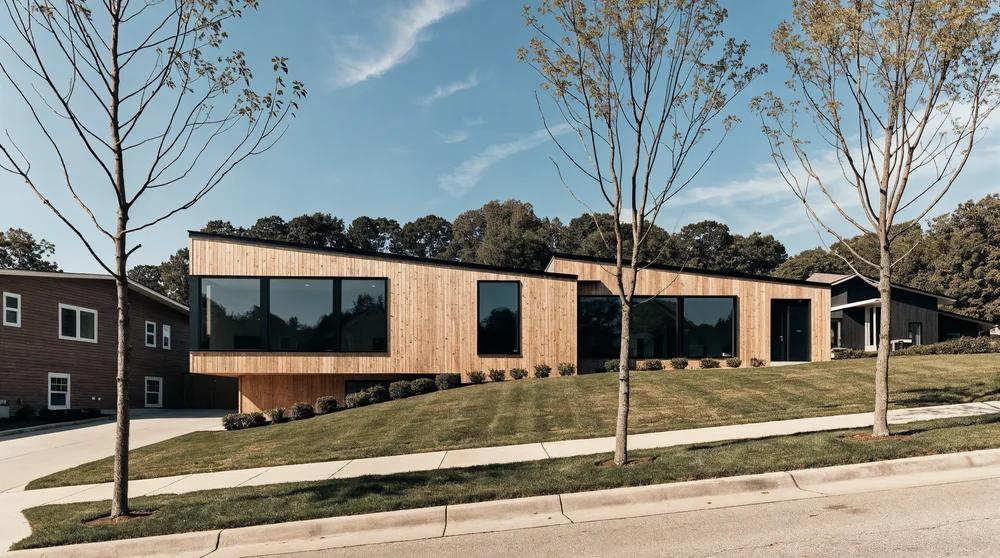
A strong project page includes:
- Location in plain words: the neighborhood or town, so the page can rank for local searches.
- Project type and scale: a 2,400-square-foot custom home, a two-story rear addition, a 40-seat café fit-out.
- The problem it solved: a narrow lot, a historic review board, a tight budget, a client who works from home.
- Your approach: a few paragraphs on design decisions, materials, and how you handled approvals.
- Descriptive image file names and alt text: "craftsman-rear-addition-kitchen-portland.jpg" tells search engines far more than "IMG_4821.jpg."
Group project pages under typology pages (residential, multifamily, commercial interiors, hospitality) and, if you serve several towns, under a few location pages. Each location page should show real work in that area and say something specific about building there, not just swap the city name. Linking these pages together helps both visitors and search engines see the depth of your experience.
For confidential projects, you can still publish: describe the project type, challenge, and outcome in general terms, use interior details instead of exterior shots, and skip the address.
Write About the Local Rules Clients Worry About
The questions homeowners and business owners ask before hiring an architect are usually local: Can I build an ADU on my lot? How long does a building permit take here? What does the historic district commission require for new windows? What setbacks apply to a rear addition?
These questions are perfect material for SEO for architects because general national websites cannot answer them well, and you deal with them every week. A practical content plan might include:
- A guide to ADU rules and costs in your city or county
- What to expect from the local permit process, with realistic timelines from your recent projects
- How historic district or design review works, and how to prepare for it
- Energy code or climate considerations specific to your region
- What an architect's fees typically include, and how they are structured
Each article answers a real question, targets a long-tail search, and links naturally to the related project pages and services. Over time, a library like this builds the local authority that helps your whole site rank, and it gives clients confidence before the first meeting. Keep the details current: zoning and code rules change, and an outdated guide can do more harm than good.
Reviews When Projects Take a Year or More
Reviews are a major local ranking signal and one of the first things a potential client reads. Architects face a timing challenge: a residential project can run from first sketch to move-in over a year or two, and if you only ask at the very end, you collect very few reviews.
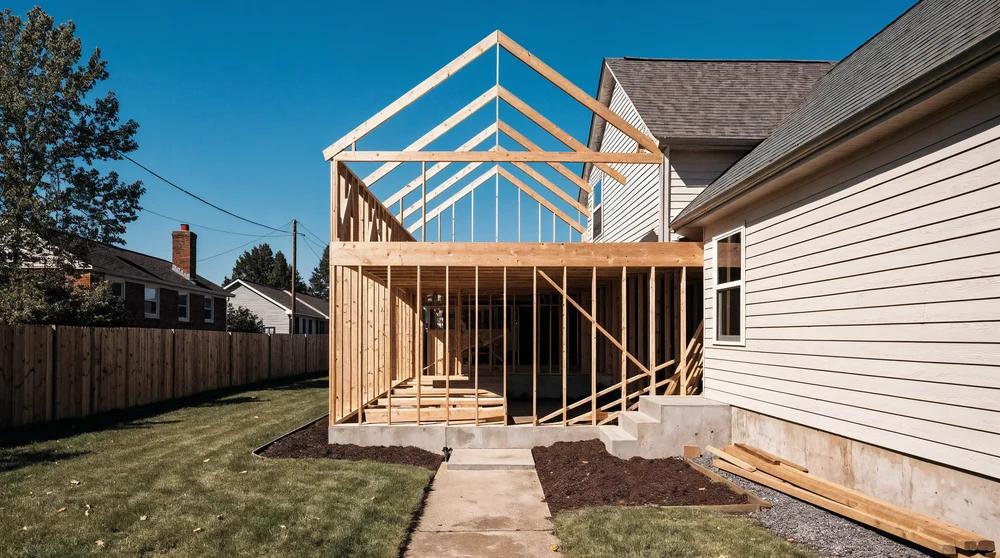
A better approach is to ask at natural milestones where the client has just experienced your value:
- After design approval: when the client signs off on a design they love.
- After permit approval: especially if the process was difficult and you navigated it for them.
- At move-in or opening: the obvious moment, when satisfaction is highest.
Make it easy by sending a direct review link, and ask clients to mention the project type and area if they are comfortable doing so, because those details help relevance. Do not offer discounts or gifts in exchange for reviews, and do not filter who receives the request; both go against Google's policies.
Respond to every review. In your replies, avoid confirming private project details a client did not share themselves, such as their address or budget. If responding consistently is hard to fit into a busy week, CATTIX's Review Replier drafts professional responses you can approve in seconds.
Houzz reviews matter as well for residential work, since many homeowners browse there before contacting an architect. Keep both platforms active.
Directories and Local Links That Matter for Architects
Citations, meaning listings of your firm's name, address, and phone number on other sites, help confirm to Google that your practice is real and local. Accuracy matters more than volume: your name and details should match exactly across every listing, which is the core of NAP consistency.
For architecture firms, the most useful listings and links usually include:
- Industry directories: your AIA chapter's member directory, Houzz, and design-focused platforms such as ArchDaily or Architizer when you publish projects there.
- Your state licensing board lookup: not a link source, but make sure the firm name and details clients find there match your website and profile.
- Collaborators: builders, structural engineers, landscape architects, interior designers, and real estate agents you work with often. A mention and link on their project pages is relevant and natural.
- Local press and awards: local design awards, home tours, newspaper features, and chamber of commerce listings.
- Education and community: talks at local universities, planning workshops, or community design events.
Links like these carry more weight than generic directories because they come from relevant, local sources, which is what separates the best backlinks for local SEO from the ones that do nothing.
Measure Leads, Not Just Traffic
Architecture has a long sales cycle, so measuring SEO by next month's signed contracts will mislead you. Track the steps in between:
- Inquiries by source: Google Business Profile, organic search, Houzz, referrals. Ask every new inquiry how they found you, and record it.
- Inquiries by project type: if your ADU guide brings in ADU inquiries but your commercial pages bring none, you know where to invest.
- Consultation bookings: the share of inquiries that turn into a paid consultation or feasibility study.
- Profile actions: website clicks, calls, and direction requests from your Google Business Profile, month over month.
Over six to twelve months, these numbers show whether your digital marketing for architects is bringing the right kind of project, not just more traffic. A periodic local SEO audit checklist is a good way to catch problems like outdated listings or broken pages before they cost you inquiries.
Common Local SEO Mistakes Architecture Firms Make
- Image-only portfolios with no text, so project pages cannot rank for anything.
- Using "architect" without a license, or picking the "Architect" category as an unlicensed designer.
- Publishing photographers' images beyond what the license allows.
- Virtual office addresses to appear in more cities.
- Asking for reviews only at project completion, which produces too few reviews.
- Generic location pages that repeat the same text with a different city name.
- Ignoring the research stage, when clients are reading about costs and permits months before hiring.
Choosing SEO Services for Architects
Some practices handle this in-house; others hire help. If you are evaluating SEO services for architects or broader marketing for architecture firms, ask:
- Have you worked with architecture or design firms, and can you show inquiry results, not just rankings?
- How would you structure our project pages and typology pages?
- Do you understand the licensing rules on using "architect" in our state?
- How do you handle photo licensing and client confidentiality in our content?
- What will monthly reporting include?
- Who owns the content and the Google Business Profile if we stop working together?
A partner who cannot answer the licensing and photography questions probably treats architecture firm marketing like any other local business, and that gap shows up quickly in the results.
How CATTIX Helps Architecture Practices
CATTIX takes care of the recurring local SEO tasks that small practices rarely have time for. The Location Optimizer audits and improves your Google Business Profile and keeps your business details consistent, the Post Generator keeps your profile active between project launches, and the Review Replier helps you respond to every review promptly. Together, they cover the core of local SEO for a busy practice, so your team can stay focused on design.
The Bottom Line
Local SEO for architects works best when your online presence reflects how you actually practice: licensed credentials stated clearly, projects described in enough detail to rank, local rules explained in plain language, and reviews collected throughout long projects. Get those right, and both referral clients and first-time searchers will find a firm that looks like the obvious choice.
When you're ready to make that work easier, see how CATTIX can help your practice stand out in local search.